Wooden Animal Puzzle Laser Cut: Puzzles & Laser Cutting
As a blog designer and digital publisher, I spend a lot of time searching for graphic design assets that do more than just fill space. I need visuals that immediately communicate a mood, support a headline, and make a reader feel like they’re in the right place before they’ve even read a single sentence. When I first opened the Wooden Animal Puzzle for Kids Laser Cut file set, I wasn’t thinking about woodworking at all. I was picturing editorial layouts, feature images, newsletter headers, and Pinterest pins. This bundle is a quiet, versatile design tool dressed up as a children’s toy project.
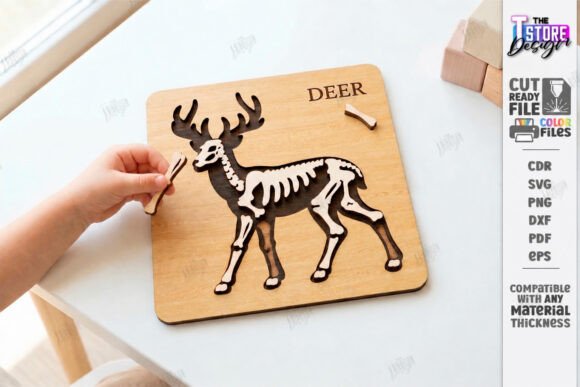
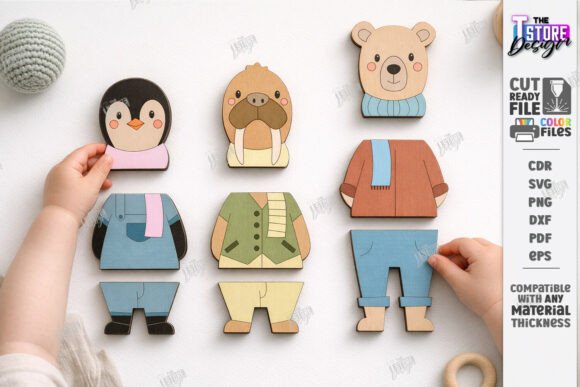
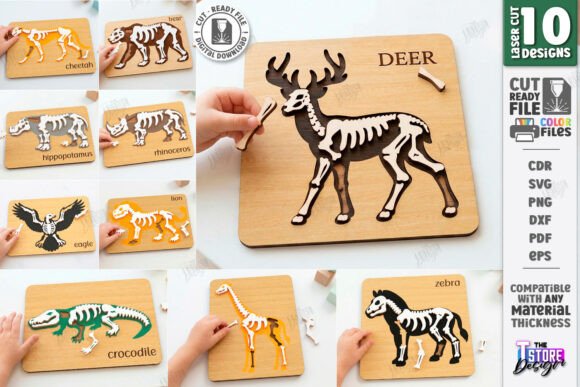
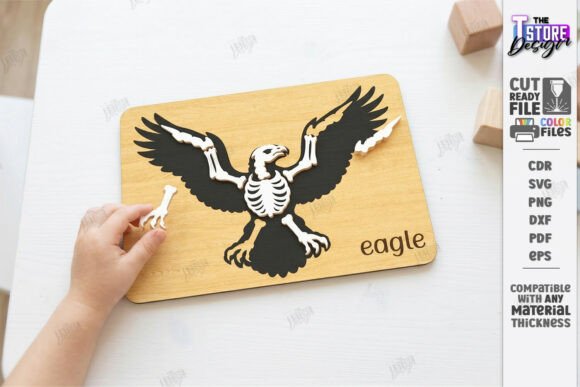
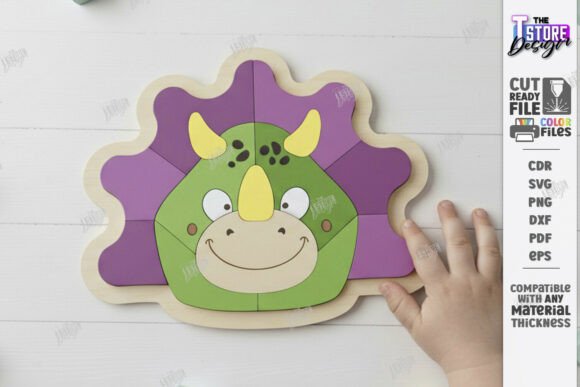
The collection includes multilayer toddler jigsaw designs shaped like a lion, panda, elephant, and hippo. Each line is drawn with the precision you’d expect from a laser cutting file, but the real magic is how those clean silhouettes and layered contours translate into a gentle, storybook style that works beautifully on screen. The Montessori influence is clear—organic, educational, and warm without being cutesy. For a content creator, that’s a rare sweet spot.
The Editorial Mood: Warmth, Whimsy, and a Touch of Nostalgia
Every design asset carries a mood. This one lands squarely in the space between a high-end children’s magazine and a thoughtful nursery brand. The animals feel familiar but not generic. The lion’s mane is made of layered sunburst arcs that echo Scandinavian pattern design. The panda’s rounded shapes are soft and comforting. The elephant has a gentle, steady presence, and the hippo adds a playful, grounded note. Together, they create a visual language that whispers trust, care, and intentionality.
For a blog or content site, this emotional tone is a strategic asset. It tells a reader: this is a place for thoughtful parenting, for creative play, for slow living, for early childhood education done beautifully. If your content touches on Montessori philosophy, DIY learning toys, nursery decor, or even sustainable living, the Wooden Animal Puzzle for Kids Laser Cut graphics can serve as a visual anchor, tying your written voice to a consistent, polished look.
Where the Wooden Animal Puzzle Design Shines in Real Publishing Workflows
I often coach bloggers to think beyond stock photos. A custom-feeling graphic design asset like this can elevate an entire site’s brand identity without the need for a full rebrand. Here’s how I’d put this laser cut puzzle bundle to work in a real publishing environment:
- Blog featured images: Use the elephant or lion silhouette as a hero graphic, layered over a soft watercolor wash or placed cleanly on a white background beside a bold headline. The crisp lines give the image a professional, editorial feel that stock photos often lack.
- Pinterest pins: The high-contrast line art pops on the pin grid. Add a short title in a friendly serif or handwritten font, and you’ve got a clickable pin that stands out from the usual pastel chaos.
- Article headers and category thumbnails: Assign each animal to a content category. The panda for “calm play,” the hippo for “messy play,” the lion for “brave play,” the elephant for “memory play.” This creates instant visual recognition for returning readers.
- Newsletter graphics: A simple outlined hippo or panda at the top of a weekly newsletter builds a signature look. It’s small, but over time, subscribers associate that tiny illustration with your voice.
- Lead magnets and digital downloads: The layered nature of the design makes it perfect for creating coloring pages, printable animal puzzles, or activity sheets that you can offer as a content upgrade. The line art is so clean that it prints beautifully even in black and white.
From Laser Cut Files to Canva Templates: A Designer’s Playground
Even though the product is marketed as Laser Cutting files, the layers are what make it a dream for digital publishing. You can open the vector paths in Illustrator or import them into Canva, and then deconstruct each animal. Pull the lion’s mane apart and use it as a decorative wreath behind a testimonial. Take the panda’s inner ear shape and turn it into a bullet point graphic. The multilayer structure gives you building blocks, not just a flat stamp.
For digital product creators, this is a low-cost way to add a handmade, high-end feel to things like eBook covers, workbooks, media kits, and social media templates. I’ve seen designers use similar assets to create entire Canva template packs sold on creative marketplaces. When you look at the lion and elephant shapes, you can easily imagine them as part of a baby shower invitation suite, a nursery wall art set, or a Montessori lesson plan cover. The commercial potential is significant, as long as you check the commercial license terms.
Strengthening Visual Hierarchy and Reader Trust
One of the fastest ways to lose a reader is to have a web design that looks thrown together. When visuals are inconsistent or generic, visitors subconsciously question the credibility of the content. The Wooden Animal Puzzle for Kids Laser Cut designs solve a piece of that puzzle. Their precise, hand-drawn quality signals that the site owner cares about detail. The line weights are consistent across all four animals, so you can use them together without visual clutter. The shapes are simple enough to create a strong visual hierarchy—place a title over the negative space of the elephant’s body, and the eye naturally moves from graphic to text.
I tested the files with several font pairings. The panda shape, for example, looks stunning next to a classic serif like Playfair Display, giving the page a literary, storytelling feel. Pair it with a clean sans-serif like Montserrat, and the look becomes more modern and editorial. With a playful script font, the design tilts into birthday party territory. This flexibility means the asset can grow with your brand, rather than locking you into one specific aesthetic.
Special Care Points: When the Puzzle Pieces Need a Lighter Touch
Not every placement works. The fine line details, while beautiful, can disappear on small mobile thumbnails if you’re not careful. I always recommend previewing the graphic at 150×150 pixels to see how it holds up. The hippo, with its broader shapes, tends to read better at tiny sizes than the lion’s intricate mane. If you’re using the animal as a blog graphic behind text, test the contrast on a real device. A busy layered lion can fight with a long headline, so I often reduce the opacity or use just the outermost silhouette for text-heavy layouts.
Also, be mindful of niche. This asset is inherently playful and gentle. It works beautifully for parenting blogs, educational sites, children’s book publishers, toy reviewers, and small business branding in the kid space. But if you run a corporate finance blog or a serious medical journal, the animal shapes will feel out of place. The same goes for websites that rely on a very minimal, brutalist visual system—the hand-drawn warmth might clash with stark grid layouts. That said, for a creative entrepreneur building a brand around family, nature, or mindful living, it’s a perfect fit.
Practical Publisher Notes: Testing, Optimizing, and Licensing
Before you click “publish” on any image using this asset, run through a few checks. First, open the file on both desktop and mobile screens. View it as a thumbnail, inside a blog post layout, and as a standalone pin. Test it against a light background, a dark background, and a mid-tone background. I always convert the design to grayscale just to see if it holds its mood without color; with these animals, the line art is strong enough to work in black and white, which is a huge plus for printable design and lead magnets.
File size matters for web design. If you’re exporting the vector to a PNG or JPG, compress it properly. A 2MB hero image will slow down your page, and Google notices. Use TinyPNG or similar tools, and aim for under 200KB while keeping the lines crisp. If you’re using the original SVG for your website, test the rendering in different browsers—some older browsers can misinterpret complex paths. The laser cut files are typically clean, but always check the code if you’re embedding inline SVGs.
Licensing is the final, crucial step. The product description often states it’s for laser ready wood projects, but as a designer, you need to know if you can use these files to create digital products that you sell, or if the commercial design use extends to affiliate marketing visuals, paid content, or lead magnets that generate revenue. Always read the license. If it’s a standard personal use license, you may need to upgrade to a commercial license for monetized websites or client work. Don’t skip this—it protects your business and the original creator.
Building a Cohesive Visual Identity with Laser Cut Animal Motifs
The smartest publishers think in systems. A single graphic design asset can become the thread that ties a year of content together. Imagine using the panda for all your calm-down corner posts, the lion for outdoor adventure content, the elephant for memory and learning activities, and the hippo for sensory play. Over time, your audience starts to recognize these little icons, and they become part of your creative design signature. The multilayer nature lets you vary the depth—one week you might use a full layered lion, the next week you might use just the lion’s face outline. The consistency is there, but the repetition doesn’t feel stale.
For content marketing and affiliate marketing, this kind of visual branding can increase click-through rates on resource pages, product roundups, and review posts. When a reader sees a beautifully designed graphic they trust, they’re more likely to click, download, or buy. The Wooden Animal Puzzle for Kids Laser Cut bundle may have started as a toddler jigsaw project, but in the hands of a thoughtful publisher, it becomes a website header that makes a first impression, a digital guide cover that gets downloaded, and a social media graphic that stops the scroll. It’s a quiet, powerful tool for anyone who takes visual communication seriously.