Silhouettes People Carrying Shopping Bag
First Impressions: Clean Lines, Retail Energy
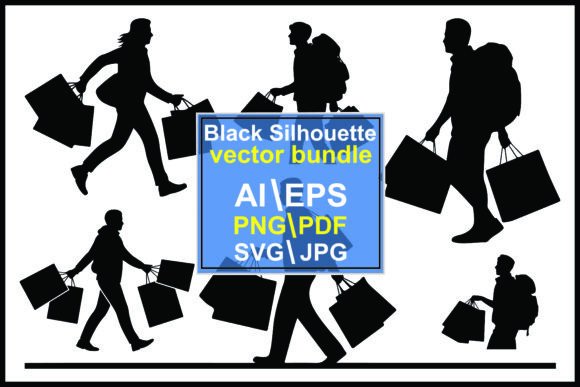
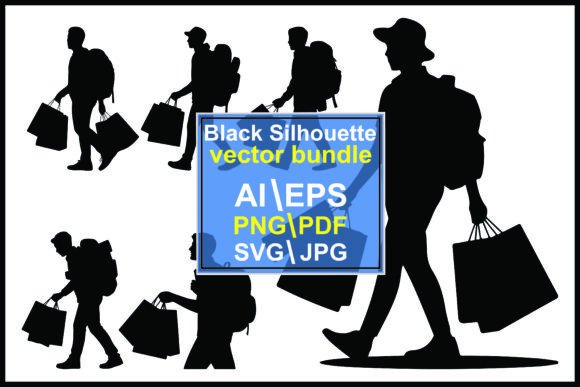
I opened this silhouette collection expecting a handful of generic figures, but the set immediately felt more intentional. The multiple walking figures—each carrying shopping bags, backpacks, or tote-like shapes—create a sense of movement and purpose. The black-and-white outline style is crisp, almost like a street scene sketch, making it a strong candidate for modern embroidery projects that need a subtle commercial edge.
The mood isn’t rushed or chaotic; it’s the calm after a successful shopping trip. That visual personality translates beautifully into retail-themed merchandise, boutique branding, and everyday products where you want to suggest leisure, consumerism, or simply a love for a good market day. As a designer, I appreciate that the silhouettes are recognizable even at a glance—the shape of a bag, the bend of an arm, and the forward stride are all distinct. This clarity is what makes a silhouette embroidery design work rather than just look like a dark blob.
Because it’s a graphics collection from the Illustrations category, you’re essentially getting a design asset that can be digitized for embroidery or used as a printable mockup. The outline nature means you’ll be thinking about stitch types early on: will you run a simple satin stitch outline, fill the whole shape, or maybe combine a running stitch for delicate details? That choice changes the final product dramatically.
Testing on a Custom Tote Bag: Real Stitch Feedback
I digitized a single figure—a woman with a shopping bag and a backpack—to test on a medium-weight canvas tote bag, the kind you’d sell at a weekend craft fair. My client wanted a minimalist “sustainable shopper” theme. I placed the silhouette off-center, just above the bottom seam, and used a two-thread satin outline in dark charcoal thread.
The result was exactly what I hoped for. The shape stitched out cleanly, with no thin sections breaking up. The shopping bag handle and the backpack straps were thick enough to hold a crisp definition even at a 2.5-inch height. The walking figure’s legs didn’t pixelate or lose any stride momentum. After a gentle wash cycle—I always test durability—the stitches held their tension beautifully, and the design still read as a clear silhouette.
What struck me most was the customer reaction. People picked up the tote, squinted, and then smiled when they recognized the theme. That’s the hallmark of a good silhouette: it invites a split-second of recognition, and then a little emotional connection. For a boutique product or a personalized gift, that tiny moment adds real value.
Where This Silhouette Set Shines in Embroidery Projects
After working with Silhouettes People Carrying Shopping Bag, I can see it becoming a go-to for several product categories:
- Tote bags and market bags – The theme is a natural fit. Use a single figure for a subtle accent or line up multiple figures in a row across a wide panel for a storytelling effect.
- Sweatshirts and t-shirts – A small chest placement on a crewneck sweatshirt gives off a cool, streetwear vibe. I’d suggest white or metallic thread on a dark fabric for a reverse silhouette look.
- Aprons – Especially for a kitchen shop or a food market vendor, a shopping silhouette on the bib pocket adds a playful, commercial touch.
- Tea towels and kitchen linen – A repeating silhouette pattern along the hem turns a simple towel into a boutique gift item.
- Baby onesies and kid’s apparel – A tiny “shopper in training” motif works surprisingly well. Use a soft pastel thread to keep it gentle.
- Caps and hats – I’d stick to a centered front placement on a structured cap. The walking figure fits nicely under the seam without bending awkwardly if you digitize it with a slight arc.
- Embroidered patches – A standalone silhouette patch can be sold as an iron-on accessory for backpacks or jackets. The black-and-white nature makes it gender-neutral and easy to match with other patches.
- Holiday and wedding gifts – Paired with a short text like “shop small” or “merry and bright,” the silhouette becomes a custom apparel piece for a holiday market.
The versatility comes from the simplicity. You can resize the figures, pick a single one, or combine them. Since the design is essentially a graphic, you can also use it for printable mockups to preview your embroidery products on digital listings, which is a huge time-saver for Etsy sellers and small shop owners.
Where You Need to Be Careful: Fabric, Size, and Surface Challenges
I’ve learned that silhouette embroidery designs can be deceptively tricky in certain conditions. Here’s where Silhouettes People Carrying Shopping Bag requires a bit of extra attention:
- Small hoop sizes – If you’re using a 4x4 inch hoop, some of the multiple-figure arrangements might need to be scaled down. Always check the minimum size before digitizing; the thin lines of a backpack strap can become unstitchable below 1.5 inches.
- Textured or lofty fabrics – Terry cloth, fleece, or thick knits can swallow the outline. A crisp satin stitch on a smooth cotton or canvas works best. For a sweatshirt, I’d use a heavy cutaway stabilizer to keep the shape from sinking.
- Stretchy fabrics – If you’re stitching on a t-shirt or baby onesie, use a fusible mesh stabilizer and a topper. The walking figure’s legs are thin points that can distort if the fabric shifts during stitching.
- Dark fabrics with black thread – An obvious contrast issue. I often invert the design: use white or light gray thread on a dark background. The silhouette reads equally well in reverse.
- Curved surfaces like caps – The forward stride can look awkward if the design isn’t positioned with a slight rotation. Test on a curved cap blank before committing to a batch.
- Frequent washing – A single running stitch outline might wear down over time. I prefer a satin stitch outline with a bit of underlay for durability, especially on bags and kitchen towels that will see heavy use.
These aren’t dealbreakers; they’re just the realities of working with outline-heavy designs. A little testing on scrap fabric will tell you exactly what adjustments you need.
Designer Notes for a Professional Finish
When I’m preparing a silhouette like this for a client’s project, I follow a few non-negotiable steps. If you’re new to Silhouettes People Carrying Shopping Bag, these notes will save you from frustrating stitch-outs:
- Check thread color contrast first. Hold the digitized mockup against the actual fabric. A dark charcoal thread on a natural canvas looks crisp; the same thread on navy blue might vanish.
- Review stitch density. As a graphic, the silhouette has no fill information. If you digitize a full fill stitch, the tote bag might become too stiff. I often use a combination of satin outline and a light fill stitch with a perforated pattern to keep the design soft.
- Confirm hoop size. Measure the design’s bounding box. Multiple figures in a row can easily exceed a 5x7 hoop. Pick a layout that fits your machine’s most common hoop size.
- Inspect the small details. Zoom in on the backpack straps, bag handles, and any tiny gaps. Adjust the node density so the digitized path doesn’t create jumps or trims in the middle of a shape.
- Test on both light and dark fabric. Even if you plan to use only one colorway, see how the silhouette reads when inverted. This can open up new product ideas.
- Use proper stabilizer. For a structured tote, a medium cutaway stabilizer is enough. For a thin tea towel, use a tear-away with a water-soluble topper to prevent the stitches from sinking into the weave.
- Check the licensing. The design is a graphics asset, so before you sell finished items or the digitized embroidery file, make sure your commercial license covers it. Some Etsy sellers overlook this, and it’s not worth the risk.
One thing I genuinely appreciate about this collection is that it’s all single-color silhouettes. That means no thread changes, no color registration issues, and a faster production time. For a small business, that efficiency is gold.
The Business Side: Selling Finished Products with These Silhouettes
I’ve watched handmade product buyers react to silhouette designs many times, and the pattern is consistent. They’re drawn to the clean, modern look. A tote bag with Silhouettes People Carrying Shopping Bag doesn’t scream “handmade”—it whispers “well-designed.” That perception builds trust and raises the perceived value of your work.
For an Etsy shop owner, this design can be the backbone of a minimalist collection: market totes, grocery shopping aprons, “shop local” tea towels, and even matching baby onesies for a weekend market photo shoot. The retail theme is broad enough to attract a wide audience, yet specific enough to feel curated. I’ve also seen digital product sellers use silhouettes like these for printable mockups, which helps their customers visualize the final embroidery product before buying.
Brand consistency is another plus. If your shop’s aesthetic is clean, line-art style, adding this silhouette to a range of products ties everything together. A returning customer might buy a tote bag, then come back for a sweatshirt with the same walking figure, creating a cohesive brand experience.
Just remember: if you’re selling the digitized embroidery file itself, the original graphics license may not allow redistribution. Always double-check the terms. Many small business owners get tripped up by assuming that buying a graphic means they can sell the embroidery file. It doesn’t always work that way.
Final Thoughts: A Versatile Retail Silhouette for Everyday Embroidery
After spending real time with Silhouettes People Carrying Shopping Bag, I can say it’s a design that does exactly what you need it to: it communicates a clear idea without overcomplicating the stitch work. The collection of walking figures, shopping bags, and backpacks is broad enough to fit multiple product niches, yet unified enough to feel like a cohesive set.
It’s not a flashy, ultra-detailed design, and that’s its strength. Embroidery projects that rely on strong silhouettes tend to age well, wash well, and sell well. Whether you’re making a personalized gift, a batch of market totes for a craft fair, or a boutique apparel line, this graphic gives you a solid foundation to build on.
Test it on the fabric you plan to use, play with thread colors, and don’t be afraid to use just one figure out of the whole collection. The best embroidery designs are the ones that adapt to the maker’s vision—and this one leaves plenty of room for that.