Paint by Numbers Laser Cut Set: Art Amp & Laser Cutting Review
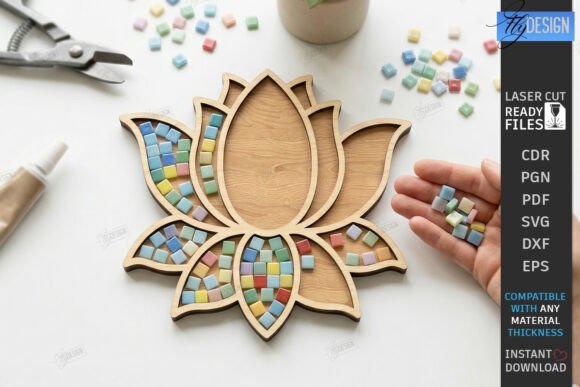
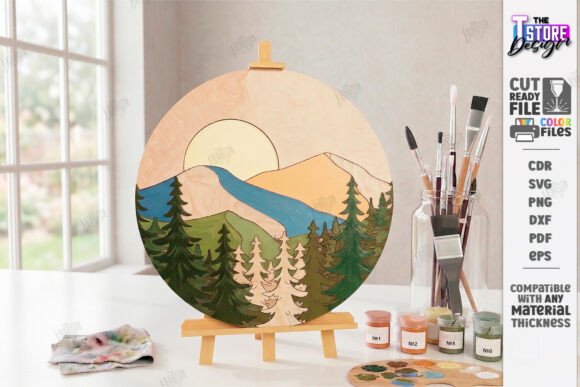
When I first opened the Paint by Numbers Laser Cut Activity Set from the Art Amp Laser Cutting collection, I immediately saw a hybrid of two creative worlds. The product description mentions laser cut wood painting templates, summer garden scenes, mushroom forest motifs, and beach art designs — all wrapped into a DIY coloring activity for kids and adults. As a seller who regularly builds digital product collections for Etsy, Creative Fabrica, and print-on-demand shops, I wasn’t just looking at a craft kit. I was evaluating whether this graphic design asset could become a flexible, sellable resource across multiple product types.
The mood of the set is undeniably playful yet organic. It doesn’t try to be overly polished — instead, it leans into a handcrafted, nature-inspired aesthetic that feels somewhere between a vintage botanical sketch and a modern mindful activity. The designs are detailed enough to catch the eye in a thumbnail, but not so complex that they’d overwhelm a Cricut project or a kid’s coloring page. Instantly, I could picture this working for a Montessori-inspired printable bundle, a summer camp activity kit, or even a rustic home decor laser cut project.
First Impressions and Visual Personality
What struck me first was the warmth of the illustrations. The mushroom forest and garden scenes carry a storybook quality, the kind that works well for printable wall art or educational craft projects. The beach art designs add a seasonal layer that could extend the set’s relevance into summer product lines. I wouldn’t call this asset elegant or minimal — it’s more textured, a little whimsical, and definitely handmade in feel. That’s a huge plus for sellers who target buyers looking for an alternative to mass-produced, sterile graphics.
From a branding perspective, the Paint by Numbers Laser Cut Activity Set fits niches like eco-conscious parenting, Waldorf education, slow living, and nature journaling. The laser cut element implies a physical product, but as a digital product creator, I immediately think about how to translate that into SVG designs, PNG clipart, and printable templates that still carry that tactile, wood-engraved charm. The visual hierarchy is strong; the main motifs are large enough to serve as focal points on a mug or a tote bag, yet the linework is delicate enough to keep a coloring page engaging.
Testing the Asset Before Publishing a Listing
I never list a digital product without running a few real-world checks. For this set, my plan would be to test it across three scenarios: a printable design for an Etsy download, a Cricut project for a craft bundle, and a sublimation mockup for a print-on-demand shop. The core question is always the same: does the file hold up when it leaves my screen and lands on a customer’s cutting mat, printer, or heat press?
First, I’d open the SVG files in Cricut Design Space and examine the cut paths. For laser cutting templates, clean, continuous lines are non-negotiable. I’d run a test cut on cardstock and a scrap piece of basswood if possible, noting any jagged edges or overlapping nodes. Next, I’d check the PNG transparency. Many nature-themed designs include subtle leaf overlaps or mushroom stems; if the transparency isn’t crisp, the design loses its versatility on dark backgrounds. I’d overlay the PNG on a black mockup, a kraft paper background, and a white tote bag preview to see if any halo appears.
For print testing, I’d print a sample on matte paper at 100% and 50% scale. The smaller size reveals whether the fine lines in the mushroom forest close up and become muddy, a common issue with intricate coloring pages. I’d also check the resolution — if the file is a low-resolution raster, I won’t risk it on a tumbler wrap or a large canvas, where pixelation is unforgiving.
Product Ideas That Fit the Laser Cut Aesthetic
After testing, I’d map out a product rollout. The Paint by Numbers Laser Cut Activity Set isn’t a one-trick pony. Its nature and summer garden themes make it a strong candidate for a seasonal design bundle, but I’d also break it into smaller, standalone digital downloads to test market interest. Here’s a realistic list of product types I’d consider:
- Printable coloring pages for kids and adults, sold as a nature-themed bundle on Etsy
- SVG cut files for laser engraving or Cricut wood projects
- Sublimation designs for mugs, tumblers, and tote bags with a cozy outdoor vibe
- Canva templates for educational activity sheets, nature journal prompts, or summer camp planners
- Clipart packs for scrapbooking, digital paper, or social media graphics
- Sticker designs — but only the bolder elements, testing small details carefully
- Nursery wall art and decorative prints with a woodland or beach theme
- Greeting card inserts with a DIY coloring twist for handmade businesses
I find that the asset works best when the design is allowed to breathe. Large product previews, 12x12 scrapbook paper, or full-bleed journal covers show off the detail without crowding. In a mockup for a tote bag, the mushroom forest scene becomes a focal point that doesn’t need much supporting text. For a product mockup on my Etsy listing, I’d pair it with a soft linen background and a handwritten-style font to reinforce the handmade feel.
Where to Use Caution During Production
No asset is universal, and this one demands a careful eye in certain applications. The linework, while charming, is not ultra-fine — so if you shrink a beach art design down to a 1-inch sticker, the tiny shells and waves might become a blurry mess. In my testing, I’d avoid using it for:
- Very small sticker designs under 1.5 inches, unless I simplify the artwork
- Low-resolution print products where the engraving-like texture could look like noise
- Dark backgrounds with thin lines, because the contrast may drop and the design loses readability
- Text-heavy Canva templates where the illustration competes for attention
- Cricut projects with intricate weeding, if the SVG paths aren’t optimized
I also noticed that the nature scenes have a lot of organic curves. If you’re planning to use this for print-on-demand apparel, make sure the design doesn’t have tiny isolated pieces that might peel prematurely on a t-shirt. A quick test with a heat press and a wash cycle would tell me if I can confidently list it as a t-shirt design.
Practical Seller Notes for a Professional Finish
Over the years, I’ve learned that a brilliant design can still flop if the customer experience feels sloppy. So before I’d bundle this Paint by Numbers Laser Cut Activity Set into a commercial design offer, I’d take a few extra steps. First, I’d organize the files into clearly named folders: “SVG for Laser Cutting,” “PNG with Transparent Background,” “Printable JPG,” and “License File.” Nothing frustrates a buyer faster than a zip file full of random numbers.
Next, I’d test the thumbnail appeal. On a crowded Etsy search page, the thumbnail has to scream “woodland coloring fun” in half a second. I’d create a mockup where the design is placed on a wood slice or a kraft paper background, with a colored pencil mockup to show the activity potential. Adding a subtle drop shadow in the mockup can make the laser cut feel more tangible, boosting perceived value.
I’d also pair the asset with a few font families to create sample listings. A serif font like “Playfair Display” gives a rustic storybook feel, while a clean sans serif like “Raleway” modernizes it for an educational printable. A script font like “Dancing Script” works well for a beach-themed greeting card. I’d keep these pairings ready to show customers how the design can be used, which often increases conversion rates.
Finally, I’d triple-check the commercial license. The listing says “Art Amp” and “Laser Cutting,” but I need to know if I can sell finished physical products, digital derivatives, or both. If the license restricts the number of sales or requires attribution, I’d adjust my product listing accordingly. There’s nothing riskier than building a whole product line around an asset that later gets a takedown because of a misunderstood license.
How It Supports a Professional Online Product Collection
When I think about brand consistency across my shop, the Paint by Numbers Laser Cut Activity Set could serve as a seasonal anchor. I could release a summer garden collection, a woodland mushroom bundle, and a beach art set — all tied together by the same visual DNA. This kind of clear, thematic grouping builds customer trust and repeat purchases. A buyer who loves the mushroom coloring page will likely click through to see the ocean scene, and the cohesive style makes the shop feel intentional rather than like a random assortment of design assets.
For social media promotion, the designs lend themselves to short process videos: a time-lapse of laser cutting, a coloring reel, or a mockup reveal. The educational angle is also a strong hook for Pinterest and parenting blogs, where keywords like “nature craft,” “DIY summer activity,” and “printable coloring set” perform well. I’d create a few social media graphics using the PNG clipart, overlaid with a soft text overlay, to pin directly to product boards.
Final Thoughts on Commercial Use
After all my testing, the Paint by Numbers Laser Cut Activity Set earns a spot in my "trusted assets" folder. It’s not a universal solution — I wouldn’t force it into a modern minimalist brand or a tech-focused product line — but for the right niche, it’s a resource that can quickly generate multiple product SKUs. The combination of nature scenes, educational potential, and laser cut compatibility gives it an edge in the handmade and Montessori markets, which are consistently strong on platforms like Etsy and Creative Market.
If you’re a digital product creator who sells printable activities, SVG bundles, or sublimation designs, this set is worth a quiet test run. Start with a single coloring page listing, gauge the response, and then expand into a full nature-themed bundle. Pay attention to the cut quality and the transparency, and never skip the mockup phase. When an asset aligns this well with current buyer trends, the real risk isn’t in using it — it’s in skipping the groundwork that turns a pretty design into a profitable, customer-friendly product.