Geometric Butterfly Line Art for Real Embroidery Use
First Look at the Nine Butterfly Designs
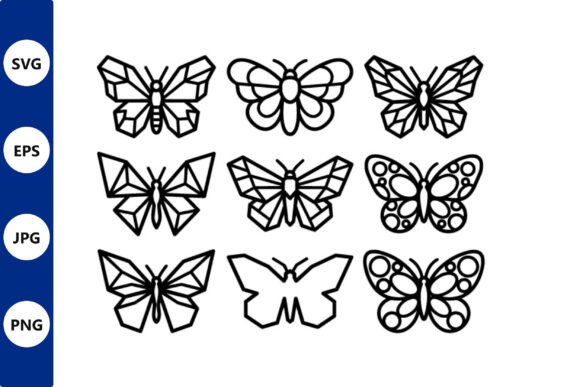
Opening the Geometric Butterfly Line Art Collection, I immediately felt the clean, modern energy these nine butterfly line drawings bring. Each one sits as a bold black outline with a distinct personality—some lean fully geometric with sharp angles and faceted wings, while others blend ornamental curves with structured symmetry. There is a quiet confidence in the linework. Nothing feels overly busy or fragile. For an embroidery designer scanning new artwork to digitize, that first impression matters. The bold outlines read clearly on screen, and I could already picture how they would translate into a machine embroidery design with crisp definition.
The collection falls under Illustrations and Graphics, which makes sense. These are not soft watercolor butterflies. They have a graphic, almost architectural feel. The geometric styling gives them a contemporary edge that works beautifully for modern handmade products, while the ornamental variations soften the look enough for giftable, everyday items. I pulled the files into my design software and started mentally sorting which butterfly would suit a custom apparel piece and which one belonged on a delicate nursery item.
How the Designs Feel Before Stitching
There is a particular mood these butterflies create. The bold black outlines give them a coloring-book charm, but the geometric structure keeps them from feeling childish. That balance is rare. I could see one of the more faceted butterflies stitched onto a canvas tote in a single rich thread color—maybe a deep ochre or dusty teal—and immediately looking like a boutique product. Another butterfly with ornamental loops felt destined for a linen pillow cover, where the fabric texture would add depth behind the stitched lines.
The nine designs offer enough variety to build a small product line without feeling repetitive. I started sketching out a quick product matrix in my notebook: three butterflies for tote bag design options, two for sweatshirt embroidery, one for baby onesies, and the remaining three for a patch set. When a single digital download sparks that kind of planning, I know the artwork has real commercial legs.
Real Scenario: Planning a Custom Tote Bag Run
Let me walk through a concrete example. A friend runs a small handmade shop and wanted a fresh spring product for her craft fair table. She asked for something graphic, not overly floral, that would appeal to customers who love clean lines. I opened the Geometric Butterfly Line Art Collection and picked the most architectural butterfly—the one with triangular wing segments and a minimalist body. We decided on a natural cotton canvas tote, medium weight, in an undyed off-white.
Before digitizing, I tested the visual by printing a printable mockup at actual size. The bold black outline held its presence even on the textured fabric simulation. I chose a single fill stitch approach for the wing segments, alternating satin borders and light fill to keep the butterfly airy rather than heavy. The stitch density needed to be moderate—dense enough to read clearly across a room, but not so thick that the tote fabric would pucker. I used a medium-weight cutaway stabilizer, which gave the right support without making the back stiff.
After stitching the first sample, the result was exactly what I hoped. The butterfly had a bold, modern presence. The geometric lines translated beautifully into thread, and the clean negative space inside the wings kept the design breathable. This is the kind of finished product that photographs well for Etsy listings and catches the eye at a craft fair table. My friend sold through her first batch of twelve totes in one weekend and immediately ordered more blanks.
Where the Collection Shines Brightest
Based on my testing, the Geometric Butterfly Line Art Collection performs exceptionally well on projects where the design needs to be the focal point. Here are the applications where I would confidently use these butterflies:
- Canvas tote bags — The bold outlines hold up on textured fabric and give a handmade product an elevated, boutique feel.
- Sweatshirt embroidery — A single butterfly placed on the upper chest or centered on the back creates a striking, minimalist statement without overwhelming the garment.
- Linen pillow covers — The geometric lines contrast beautifully with the organic slub texture of linen, making the handmade product look intentional and high-end.
- Embroidered patch production — The clean outlines make digitizing for patches straightforward, and the designs read well at patch sizes between three and five inches.
- Baby embroidery on onesies or bibs — The softer ornamental butterflies work nicely here, especially when stitched in pastel or muted thread colors on cotton interlock.
- Kitchen towels and tea towels — A single butterfly near the hem adds a sweet, unexpected detail that customers notice and appreciate.
- Aprons — Particularly the geometric designs, which give a utilitarian item a fresh, modern twist for boutique branding.
- Holiday embroidery gifts — The collection works year-round, but I could see a set of butterfly-embroidered items as a thoughtful Mother's Day or spring holiday gift line.
What to Watch for in Real Stitching Conditions
Every design has its sensitive spots, and I want to be honest about where the Geometric Butterfly Line Art Collection needs careful handling. The bold outlines are an asset, but they also mean the running stitch underlay and final border passes need precise digitizing. If the outline is too thin in the original artwork, it can disappear on dark fabric or lose definition after washing. I always test on scrap fabric first and check the stitch density against the fabric texture I plan to use.
Here are the situations where I would pause and test more carefully:
- Small hoop sizes — Some of the ornamental butterflies have delicate loops and curves that could close up if scaled below three inches. The geometric butterflies handle reduction better, but I still recommend a test stitch before committing to a tiny placement.
- Dark fabric — The bold black artwork is designed as outlines, so on a dark background, the design can lose its contrast. A lighter thread color or a subtle fill behind the butterfly can solve this, but it requires planning before digitizing.
- Stretchy fabric — T-shirts and onesies in cotton jersey need a proper stabilizer and possibly a topper to keep the geometric lines from distorting. The sharp angles in the faceted butterflies will show every wobble if the fabric shifts during stitching.
- Curved surfaces like caps — The wider butterfly designs can be tricky on a cap's curved front panel. I would choose the narrower, taller butterfly variations and test the hoop size and placement carefully.
- Layered garments — If the butterfly is stitched near a seam, collar, or pocket edge, the thickness change can affect stitch quality. I always run a placement test on the actual garment, not just a flat fabric swatch.
- Frequent washing — For items like kitchen towels or baby clothes that will see repeated laundering, I use polyester thread and a soft stabilizer to maintain the design's crispness over time.
How the Collection Lifts Product Value
There is a direct link between the artwork you choose and how customers perceive your finished product. The Geometric Butterfly Line Art Collection has a visual clarity that photographs beautifully. When I listed the butterfly tote bag on Etsy, the thumbnail stood out against more traditional floral designs. The geometric lines gave the product a modern, intentional look that attracted buyers who might scroll past a typical embroidered butterfly.
This matters for customer trust and brand consistency. When every product in your shop shares a cohesive visual language—clean lines, bold presence, modern sensibility—buyers start to recognize your work. One customer who bought the tote later messaged me asking if I could put the same butterfly on a sweatshirt. That kind of repeat interest is gold for a small shop product line. The collection gives you a recognizable signature without being repetitive, because the nine variations let you rotate designs across different product types.
For personalized gifts, the butterfly designs feel thoughtful without being overly sentimental. I stitched one of the ornamental butterflies onto a linen pillow cover as a wedding gift, using a soft sage green thread, and the couple immediately asked where they could buy more. The design elevated a simple linen pillow into something that felt curated and personal.
Practical Designer Notes Before You Stitch
I keep a running checklist for every new digital embroidery file I work with, and the Geometric Butterfly Line Art Collection is no exception. Here are the steps I recommend before you stitch your first sample or list a finished product for sale:
- Test on scrap fabric first. Even if the artwork looks perfect on screen, fabric behaves differently. Run a test stitch on the same material and stabilizer combination you plan to use for the final product.
- Check thread color contrast. The bold black outlines in the artwork give you a clear map, but your thread choice will define the final look. Test a few colors against your fabric, especially if you are working on a medium-tone background where contrast can be tricky.
- Review stitch density. The geometric designs with larger open areas may need a lighter fill to avoid stiffness. The ornamental designs with tighter curves may need a slightly denser satin stitch border to keep the loops crisp.
- Confirm hoop size. Measure the largest butterfly you want to use and make sure it fits comfortably in your hoop with room for the design to breathe. Crowding the edges of the hoop leads to registration issues.
- Inspect small details. Zoom in on the ornamental butterflies. Some have delicate antennal curves or tiny wing flourishes that need a clean running stitch path. If the detail is too fine for your machine's minimum stitch length, simplify it during digitizing rather than hoping it will work.
- Test in black and white mockups. A printable mockup in grayscale helps you see whether the design reads as a clear silhouette. If it looks muddy in black and white, it may not pop on a busy fabric or from a distance.
- Compare light and dark fabric backgrounds. The same butterfly will look completely different on white canvas versus charcoal denim. Run a quick test on both extremes before committing to a product line.
- Use proper stabilizer. For the geometric butterflies, a cutaway stabilizer gives the cleanest result on apparel. For the ornamental ones on lightweight fabric, a tear-away may be sufficient, but I always err on the side of more support.
- Check licensing before selling. The product description states this is a digital download including SVG, EPS, PNG, and JPG files. Before you sell finished items or incorporate the design into a commercial embroidery product line, confirm what usage is allowed. The files themselves are design assets for your creative work, but the license terms determine whether you can sell the finished product on Etsy, at craft fairs, or through your website.
Which Butterfly Fits Which Product
After working through the collection, I found a natural sorting pattern. The three most geometric butterflies—the ones with sharp triangular wing segments—work best on custom apparel, caps, and modern home goods. Their bold lines feel unisex and contemporary. The three most ornamental butterflies—with flowing curves and decorative inner details—shine on baby embroidery, holiday embroidery gifts, and personal accessories. The three designs that sit in the middle ground, blending geometric structure with softer touches, are the most versatile and can cross between product categories easily.
If you are a craft business owner building a spring collection, I would start with one geometric butterfly for totes and sweatshirts, one ornamental butterfly for baby items and pillows, and one hybrid design for patches. That gives you a tight, cohesive product line from a single embroidery file collection without overwhelming your production workflow.
Final Thoughts from the Stitching Table
The Geometric Butterfly Line Art Collection earns its place in my digital library because it solves a real problem: finding artwork that looks modern, stitches cleanly, and appeals to buyers who want something different from the usual floral motifs. The nine designs give you creative range without decision fatigue. The bold black outlines make digitizing straightforward, and the geometric styling photographs beautifully for Etsy seller listings and social media. Whether you are making a single personalized gift or planning a full small shop product launch, this collection delivers the kind of visual clarity that makes machine embroidery design work feel professional and rewarding. Test it on your fabric of choice, dial in your thread colors, and watch how a simple butterfly outline transforms a blank into something people want to own.