Animal Clothespin Puppets Laser Cut CNC
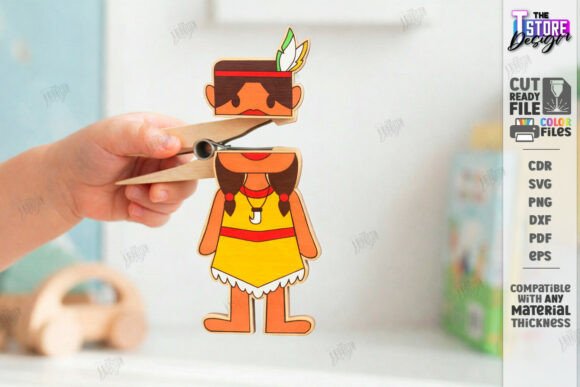
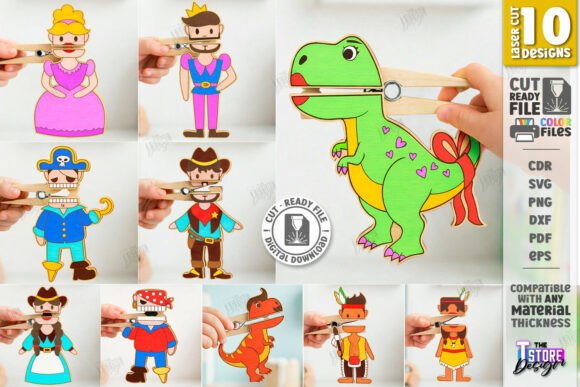
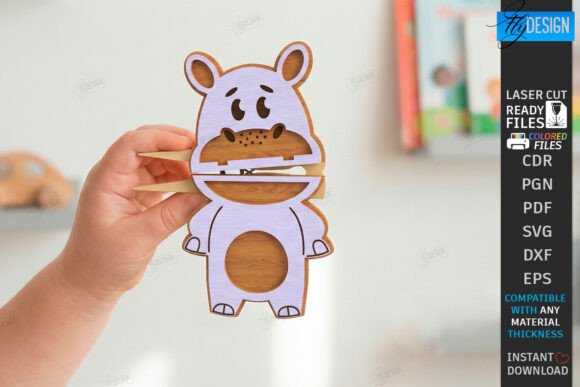
When I first opened the preview for Animal Clothespin Puppets Laser Cut CNC, I smiled. There is something instantly warm and nostalgic about wooden clothespin animals with moving mouths, and this design collection captures that childhood charm without feeling outdated. The shapes are clean, the animal characters have distinct personalities, and the interactive mouth mechanism is clever without being overly complicated. As someone who spends most days thinking about thread tension and stitch density, I also see design files like this through a different lens. Even though this is a laser cutting template, the visual language of these animals translates beautifully into embroidery thinking. The bold outlines, the simple facial features, the recognizable silhouettes — all of these are exactly what make a stitched design readable, lovable, and easy to sell.
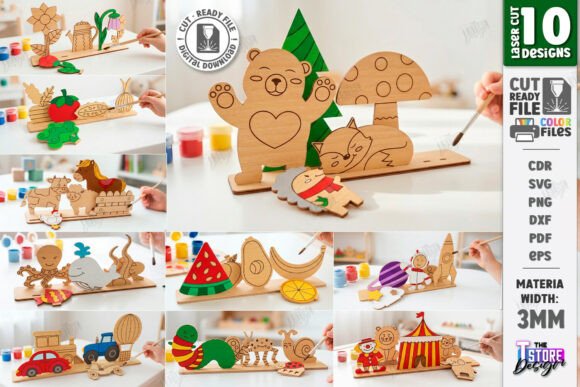
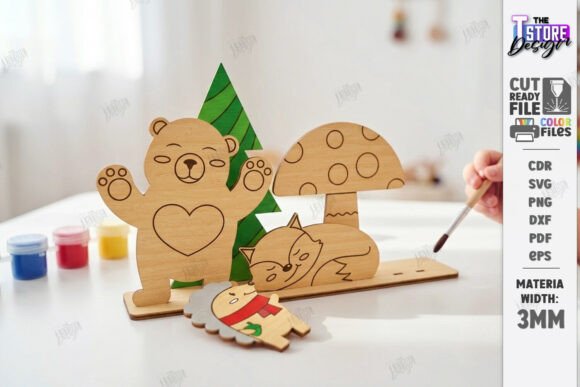
Before I go any further, I should clarify something important. Animal Clothespin Puppets Laser Cut CNC is a laser cutting file set, not a machine embroidery file. It comes as a digital download in formats like DXF, SVG, and PNG, ready for Glowforge and other CNC machines. The product category is Toys Amp and the project type is Laser Cutting. If you are an embroidery designer looking for a ready-to-stitch file, you will need to digitize these designs yourself or hire a digitizer. But do not let that stop you. The artwork here is a fantastic starting point for embroidery projects, and I have seen plenty of successful Etsy sellers build entire product lines around this exact kind of crossover between laser crafts and stitched goods.
Why the animal shapes work so well visually
Good embroidery design starts with strong silhouettes, and these puppets deliver exactly that. Each animal reads clearly even at a small size. The heads are slightly oversized, the eyes are simple dots or circles, and the mouths are split cleanly to accommodate the clothespin mechanism. From a stitching perspective, these features translate into crisp satin stitch outlines, easy fill areas, and minimal tiny detail that would get lost in thread. I can already imagine a simplified embroidered version of the fox or the bear on a toddler sweatshirt, with the mouth area left open or replaced with a decorative stitched smile.
The moving mouth concept is the heart of this design. In laser cutting, the clothespin creates the animation. In embroidery, you lose the mechanical movement, but you gain the ability to play with that idea through clever placement and composition. For example, you could stitch two versions of the same animal — one with mouth open and one with mouth closed — and place them side by side on a tote bag. Or you could create an embroidered puppet theater scene on a quilt block. The design thinking behind Animal Clothespin Puppets Laser Cut CNC opens up those kinds of creative possibilities, and that is what I look for when evaluating whether a design asset has real project value.
First impressions from a stitcher's perspective
I studied the preview images closely, and my first thought was how naturally these animals would fit into a children's product line. The shapes are friendly, the proportions are balanced, and the overall mood is playful without being babyish. That matters if you are selling to parents who want something cute but not overly cartoonish. The design set includes multiple animals, which gives you variety for building a collection. As a small business owner, I appreciate that. You can create a series of related products — a lion, a bear, a rabbit, a fox — and customers often buy more than one when they see a cohesive set.
From a technical embroidery standpoint, the lines are clean and the curves are smooth. That means fewer nodes to edit during digitizing, fewer awkward jumps in the stitch path, and a cleaner final result. I have worked with plenty of design files that looked great on screen but turned into a mess of jagged edges and weird angles once I started plotting stitches. These animal shapes look like they would digitize cleanly, with natural flow around the ears, faces, and jawlines. The only area I would watch carefully is the split mouth line. That sharp interior cut needs to be handled thoughtfully in digitizing, or you risk dense stitch buildup in a very small space.
Real project scenario: children's boutique tote bags
Let me walk you through a real scenario. I have a client who runs a small handmade shop specializing in personalized children's gifts. She asked me to create a custom embroidered tote bag for a three-year-old's birthday. The family loves animals, and the child is obsessed with puppets. I immediately thought of Animal Clothespin Puppets Laser Cut CNC as a starting point. I took the bunny design, simplified it slightly for embroidery, and stitched it onto a natural cotton tote in soft brown and cream threads. I added the child's name in a simple font underneath. The result was beautiful. The bunny face had that same charming puppet character, and the mom later told me the little girl carries that tote everywhere, pretending the bunny talks to her.
That project taught me something important. Even though the original file is meant for wood, the emotional connection the design creates transfers perfectly into fabric and thread. Parents love recognizable characters. Kids love animals with faces. And when you combine that with a handmade product, you have something that feels special and intentional. I have since used variations of these animal designs on baby bibs, nursery pillow covers, and even a set of embroidered patches for a pretend play apron.
Where these designs shine in embroidery projects
Based on my experience, here are the product types where the visual style of Animal Clothespin Puppets Laser Cut CNC performs best:
- Children's sweatshirts and t-shirts: The bold animal faces are instantly recognizable and work well on chest or back placements.
- Tote bags and canvas pouches: The simple shapes stitch cleanly on medium-weight cotton and linen.
- Nursery decor pillow covers: A single animal face on a soft pillow makes a wonderful baby shower gift.
- Embroidered patches: The defined outlines make these designs ideal for iron-on or sew-on patches that kids can collect.
- Kitchen towels and aprons: The puppet theme fits a playful family kitchen vibe, especially for households with young children.
- Holiday ornaments: Stitch these on felt or stiff fabric, add a ribbon loop, and you have a charming handmade ornament.
- Personalized baby blankets: Combine multiple animals into a corner composition with the child's name.
Each of these applications benefits from the design's straightforward composition. The animals are not overly detailed, which means they stitch faster and with fewer thread breaks. For a small shop owner trying to manage production time, that matters. A design that takes forty minutes to stitch eats into your margins differently than one that takes fifteen. These animal faces, digitized well, fall into an efficient stitch time range while still looking substantial and professional.
Fabric and stabilizer considerations
When working with any design that has interior cutouts or split lines — like the moving mouth area in these puppet designs — fabric choice and stabilizer become critical. On stretchy fabrics like cotton jersey or fleece, that mouth split can distort easily. I recommend a firm cutaway stabilizer for knit fabrics and at least a medium-weight tearaway for woven fabrics. If you are stitching on thin fabric like a lightweight tea towel, add a layer of wash-away topping to prevent the stitches from sinking in. I learned this the hard way on an early test. The bunny's mouth looked great on the hooped fabric, but after one wash, the edges puckered slightly. A second test with proper stabilizer fixed the issue completely.
Dark fabrics present another challenge. The simple facial features that make these designs charming can disappear on charcoal or navy backgrounds if your thread color contrast is not strong enough. I always test a new animal design on both light and dark fabric scraps before committing to a final product. The bear design, for instance, needs careful color selection on dark fabric. A medium brown thread on a black sweatshirt will not read well. I either go much lighter or add a subtle satin stitch outline in a contrasting color to make the shape pop.
Small hoop compatibility and detail scaling
One practical question I always ask is: will this fit in a standard hoop? The beauty of these animal puppet designs is that they scale well. A single animal face can easily fit in a 4x4 inch hoop, which is the most common size for home embroidery machines. If you are digitizing for a commercial multi-needle machine, you have even more flexibility. But for the Etsy seller whose customers mostly have 4x4 or 5x7 hoops, this is a practical starting point. I have successfully stitched simplified versions of these animals in a 100mm by 100mm space without losing the personality.
That said, do not push the scaling too far down. If you try to fit an entire animal head with its detailed mouth split into a 2-inch patch, you will lose definition. The satin stitches on the mouth edges will blend together, and the eyes will become messy dots. I recommend keeping the design at least 3 inches tall for best results. If you need something smaller, consider stitching just the animal silhouette without the mouth detail, or use a simplified running stitch outline instead of filled areas.
Thread color choices and stitching personality
One of my favorite things about these animal designs is how much the thread color changes the mood. A fox stitched in bright orange and white reads as playful and energetic. The same fox in muted terracotta and cream becomes rustic and nursery-appropriate. The bear in warm brown with a soft beige muzzle feels classic and cozy. I encourage testing at least three color palettes before settling on your final version. What looks good on screen rarely looks identical on fabric, and thread sheen changes the perception of color significantly.
For commercial projects, I also recommend creating a neutral version of each animal. A cream or soft gray design on a natural linen background appeals to a broader customer base than bright, specific colors. Some of my best-selling embroidered products use this restrained palette approach. The animal shape does the work, and the subtle color keeps it versatile.
Licensing, commercial use, and selling finished products
Before you digitize and sell anything based on Animal Clothespin Puppets Laser Cut CNC, please check the licensing terms. The product description states it is a laser file template for Glowforge and CNC machines, and the file formats include DXF, SVG, and PNG. The product category is Toys Amp and the project type is Laser Cutting. Whether you can legally digitize the artwork for embroidery and sell finished products depends entirely on the license provided by the seller. Some digital file creators allow derivative works and commercial use. Others restrict use to the original format and personal projects only. I cannot give you a definitive answer here because the exact license terms are not specified in the product listing. Reach out to the seller directly and ask. Clear communication about commercial embroidery rights protects your business and respects the original designer's work.
Digitizing tips for embroidery designers
If you do have permission to digitize these designs, here are my practical recommendations. Start with a light underlay stitch to stabilize the fabric before laying down the main fill. Use satin stitch for the outer edges and facial features to give the design a polished, professional look. For the mouth split, I recommend a simple running stitch outline rather than a dense satin stitch. The split is a visual detail, not a structural element, and keeping it light prevents puckering. Test the design on scrap fabric first, then wash it, then check for distortion. Only then should you stitch it on a final product.
Also, consider how the moving mouth concept might be reinterpreted in embroidery. One creative approach I have used is stitching the animal face on a pocket flap, so the mouth aligns with the pocket opening. Another idea is creating a two-piece patch set where the top jaw and bottom jaw are separate pieces that can be positioned slightly apart. These small design choices make your finished product stand out and show customers that you put thought into your work.
Customer reaction and product marketability
In my experience, products featuring animal faces with expressive features consistently perform well. Customers gravitate toward designs that feel familiar and friendly. The puppet theme adds a layer of nostalgia for parents and grandparents, which makes these items especially appealing as gifts. When I sell an embroidered tote or sweatshirt with this kind of design, I often hear feedback like, "This reminds me of the puppets I had as a kid." That emotional connection increases the perceived value of the product and encourages repeat purchases.
For Etsy sellers and craft fair vendors, these designs photograph well. The clean shapes and bold features look great in listing photos, even on a phone camera. Good product photography starts with a good design, and the visual clarity of these animal puppets makes your job easier. I have also found that products with animal themes tend to get more engagement on social media. A cute fox face on a tote bag is simply more shareable than a generic floral pattern.
Final thoughts from the worktable
I evaluate design assets based on one question: would I actually use this in a real project for a paying customer? For Animal Clothespin Puppets Laser Cut CNC, the answer is a confident yes. The artwork is solid, the concept is engaging, and the design translates well into embroidery thinking. The fact that it originates as a laser cutting file does not diminish its value for fabric artists. Some of the best embroidery designs I have ever stitched started as hand-drawn sketches, woodcut prints, or paper crafts. Good design is good design, regardless of the medium it was created for.
If you are an embroidery designer, a small shop owner, or a creative entrepreneur looking for fresh animal-themed artwork, this file set is worth your attention. Just remember to check the license, test your digitizing thoroughly, and choose your fabrics and stabilizers with care. The difference between a mediocre finished product and a beautiful one often comes down to those small, practical decisions. And when you see a child's face light up at the sight of a stitched puppet animal on their new favorite bag, all that careful preparation feels completely worth it.