Smile Every Day SVG: A Designer’s Real-World Review
First Impressions from a Digitizer’s Screen
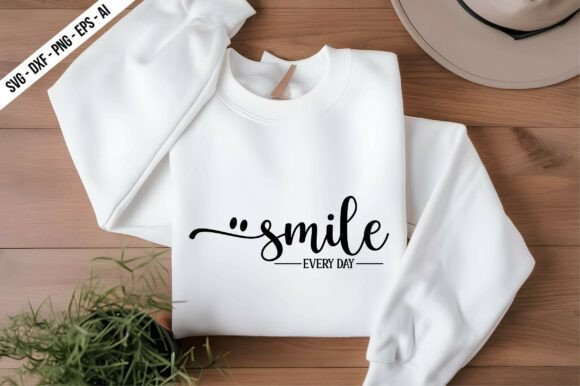
When I opened the Smile Every Day SVG file, I immediately felt a sense of cheerful simplicity. The design carries a warm, hand-lettered personality that doesn’t try too hard. It’s friendly without being childish, and that balance is important when you’re planning projects that range from baby gifts to boutique totes. The shape is compact, with just enough open space to let the fabric breathe, and the layout feels intentional. Nothing feels crammed. For an embroidery designer, that first glance matters a lot—it tells you whether the design will translate into clean stitches or become a tangled mess of too-dense details.
The high-resolution PNG file confirmed what the SVG suggested: the lines are crisp, the smile motif is distinct, and the lettering holds its own even at a reduced size. The 12×12 inch canvas gives plenty of room to scale down without losing legibility, which is a huge plus when you’re working with different hoop sizes. I’ve handled too many graphics that fall apart at 4 inches, but this one keeps its charm. The mood is undeniably uplifting, and I could already imagine it stitched onto a soft cotton apron or a toddler’s sweatshirt.
Translating a Graphic into Machine Embroidery
This is where the real work begins. A graphic like Smile Every Day SVG isn’t a ready-to-stitch machine embroidery design—it’s a high-quality digital asset that you need to digitize yourself. But the quality of the source file makes that process dramatically smoother. The SVG opened cleanly in my digitizing software, with well-defined paths and no weird overlapping nodes. Every curve of the smile and loop of the lettering was ready to be converted into embroidery objects without hours of cleanup.
Why the SVG Format Matters for Embroidery Work
Many crafters underestimate how much a true vector file can save them. The SVG included in this download is ideal for resizing without losing quality, which is critical when you’re planning stitch density and hoop size adjustments. Whether you’re shrinking it for a tiny embroidered patch or enlarging it for a tote bag design, the shapes stay clean. I also appreciate that the DXF file is available for those who prefer CAD-based workflows, and the high-resolution PNG can serve as a quick visual reference or be used in printable mockups.
Stitch Planning: What the Design Tells Me
Looking at the lettering and the smiley face, I started mentally assigning stitch types. The main “Smile Every Day” text would work best with a satin stitch for a polished, professional look on custom apparel and handmade products. The smile icon could be a combination of fill stitch with a running stitch outline to keep the edges crisp. The overall design is not overly complex, which means you can achieve a clean, stitch-friendly result without excessive density that puckers fabric. I did notice some small decorative dots or accents around the edges—those would need careful testing on scrap fabric because if they’re too tiny, they could become thread nests or disappear entirely on textured surfaces.
The Custom Tote Bag That Started It All
Last week, a client asked me to prepare a few cheerful samples for her new boutique line of personalized gifts. I pulled up the Smile Every Day SVG and immediately thought of a natural canvas tote. I digitized the design at a 5×7 inch size, centered it on the front panel, and used a soft coral thread for the main lettering with a navy outline. The finished embroidered tote bag looked like it belonged in a sunny window display. The smile grabbed attention, the message felt genuine, and the stitching held up beautifully after a gentle wash. That project confirmed what I’d suspected: this design is a workhorse for makers who want to sell handmade products that feel both personal and polished.
Where This Design Shines Brightest
Based on my tests, Smile Every Day SVG is a natural fit for a wide range of embroidery projects. It performs exceptionally well on medium-weight woven fabrics like cotton, linen, and canvas. Some of the best uses I’ve found include:
- Custom apparel such as sweatshirts, t-shirts, and hoodies—the design motif is universal and age-appropriate for all ages.
- Tote bags and aprons for boutique shops or craft business merchandise.
- Baby embroidery blankets, onesies, and bibs—the gentle message is perfect for nursery decor and baby shower gifts.
- Kitchen towels and tea towels that add a bright note to everyday routines.
- Embroidered patches applied to backpacks, jackets, or caps—just scale the design down carefully.
- Pillow covers and holiday embroidery accent pieces that need a quick, feel-good focal point.
I’ve also seen makers use this design as a digital embroidery file preview in their Etsy listings, and the friendly vibe consistently helps with buyer engagement. The design’s visual appeal translates to higher perceived product value and stronger customer trust.
Situations That Demand Extra Care
Not every project is a go. I’ve learned to be cautious when using Smile Every Day SVG in certain contexts:
- Small hoop sizes (like 4×4 inches) may force the lettering to shrink too much, causing the stitch density to become problematic or the text to lose readability.
- Textured fabrics such as terry cloth or heavily napped fleece can swallow the fine details of the smiley face, so you’ll need to simplify the design or use a heavier stabilizer.
- Stretchy fabrics like jersey or performance knits require careful hooping and a cutaway stabilizer to prevent distortion, especially around the curved lettering.
- Dark fabric backgrounds—the design’s default contrast may need to be adjusted with brighter thread colors to keep the smile visible.
- Curved surfaces like caps or hat brims can warp the design’s alignment, so test placement thoroughly before committing to a final run.
In all these cases, a quick scrap fabric test is non-negotiable. It saves time, thread, and disappointment.
Visual Appeal and the Customer Connection
What makes Smile Every Day SVG so effective isn’t just its technical compatibility—it’s the emotional pull. When a customer sees this on a sweatshirt embroidery piece or a personalized gift, they immediately smile back. That reaction is priceless for a small shop product. The design adds a layer of giftability that turns a simple tea towel into a thoughtful present. I’ve noticed that items featuring this motif tend to get more repeat interest at craft fairs and in online shops. The consistent, clean look also reinforces brand consistency for makers who use it across multiple product lines.
From a stitching clarity standpoint, the design’s open areas prevent the “heavy patch” feeling that can make an embroidery project look cheap. The right thread colors—think soft peach, mint, or sunny yellow—can elevate the design even further. I always recommend checking the design in black and white mockups to see how it holds up without color, because that’s a true test of its structural strength.
Practical Embroidery Designer Notes
Before you use Smile Every Day SVG in a commercial embroidery project or a craft business line, keep these actionable points in mind:
- Test on scrap fabric first. Even the best vector file can behave unexpectedly once digitized, especially on different fabric textures.
- Check thread color contrast. Light thread on light fabric may wash out the smile; a subtle outline or a darker shade can make the design pop.
- Review stitch density. If you’re digitizing for a dense satin look, balance it with underlay stitches to avoid puckering.
- Confirm your hoop size and adjust the design proportions accordingly. The SVG is scalable, but that doesn’t mean every detail will survive extreme shrinking.
- Inspect small details. The tiny smiley eyes or decorative dots may need to be enlarged or simplified in your digitizing software to avoid thread breaks.
- Use proper stabilizer. For knit fabrics, a cutaway stabilizer is a must; for woven items, a tear-away often works fine.
- Test in black and white. This helps you see if the design’s silhouette still reads clearly without color cues.
- Compare light and dark fabric backgrounds. The design’s mood changes dramatically, so choose your thread palette accordingly.
- Check licensing terms. The product description does not specify commercial use permissions, so you must verify whether you can sell finished items or use the graphic in digital products without additional licensing.
These steps are routine for any machine embroidery design workflow, but they’re worth repeating because skipping them can turn a cheerful design into a frustrating mess.
Final Thoughts on Using Smile Every Day SVG
After working with Smile Every Day SVG across multiple embroidery projects, I’m confident in calling it a versatile and heartwarming addition to any maker’s digital library. It’s not an instant embroidery file, but the quality of the Graphics provided makes it a reliable starting point for digital embroidery file creation. The design has a quiet staying power that fits everything from baby embroidery keepsakes to holiday embroidery gifts. Just remember that your creative judgment is the final stitch. With careful testing and a bit of digitizing finesse, this design can bring a genuine smile to every finished product you create.