Muntjac and Rhinoceros Nursery Vector Graphics Review
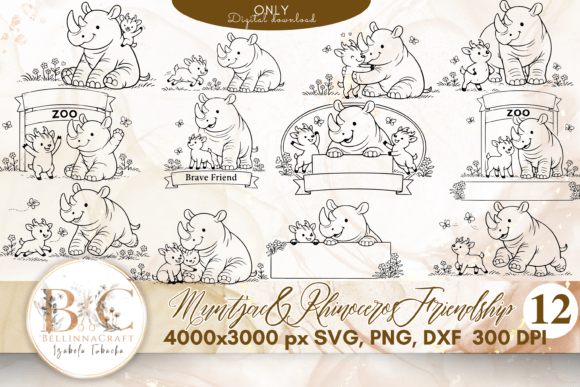
When I first opened the Muntjac and Rhinoceros Nursery Vector file set, I immediately recognized the kind of design asset that makes a blog post feel warmer before a single word is read. The artwork pairs a gentle muntjac deer with a soft-eyed rhinoceros in a friendship-themed composition, rendered in clean baby animal line art that strikes a beautiful balance between playful and refined. For anyone who publishes content in the parenting, early childhood, home decor, or family lifestyle space, this illustration set communicates something editorial photography often struggles to capture—a quiet, storybook tenderness that invites the reader to slow down and stay awhile.
From a publisher's perspective, the visual language here is instantly usable. The nursery animal vector illustrations carry a hand-drawn quality that feels intentional rather than mass-produced, and that matters enormously when you are building a website where every visual touchpoint either reinforces or erodes reader trust. The friendship motif between the muntjac and rhinoceros adds a subtle narrative layer that generic animal clip art simply lacks. That narrative quality is exactly what helps a blog graphic feel like part of the content rather than a decorative afterthought.
The Editorial Mood This Nursery Illustration Creates
Every graphic design asset you place on a content page sets an emotional tone. The Muntjac and Rhinoceros Nursery Vector leans into a mood that is gentle, nurturing, and quietly whimsical. The line art style is deliberately minimal, leaving plenty of negative space that works beautifully in editorial layouts where text needs room to breathe. I would describe the aesthetic as modern nursery art with a touch of vintage storybook charm—it feels equally at home on a sleek minimalist blog as it does on a cozy, texture-rich parenting site.
This matters for reader perception. When a visitor lands on an article and sees a thoughtfully chosen illustration instead of a generic stock photo, their subconscious assessment of your content quality shifts upward. The muntjac and rhinoceros pairing specifically suggests themes of unlikely friendship, gentle parenting, diversity, and emotional connection—all of which resonate deeply with audiences in the family, education, and wellness niches. If your content strategy involves building a loyal readership that returns for your voice and perspective, the visuals you choose need to carry that same emotional signature.
Where These Animal Line Art Graphics Perform Best in Real Publishing
After testing the Muntjac and Rhinoceros Nursery Vector across several blog mockups, I can confidently map out where this asset delivers the strongest visual impact. The line art style and nursery aesthetic make it particularly effective for featured images on articles about child development, nursery decor, baby shower planning, gentle parenting, and early learning activities. The white space built into the composition means you can overlay headline text without the image fighting for attention—a critical consideration for blog graphics that need to function as clickable thumbnails.
Here are the publishing applications where this vector set consistently outperforms alternatives:
- Blog featured images — The friendship composition creates an emotional hook that increases click-through potential on category pages and related post grids.
- Pinterest pins — The clean line art scales beautifully to pin dimensions, and the nursery animal theme aligns with high-volume Pinterest search categories including kids room decor, baby shower ideas, and nursery wall art.
- Website headers and hero images — On a light background, the muntjac and rhinoceros illustration adds just enough visual interest without overwhelming the navigation or headline text.
- Newsletter graphics — The soft, friendly aesthetic works well for welcome sequences, content roundups, and product announcement emails in family-focused niches.
- Digital guide covers and lead magnets — A downloadable parenting guide, nursery checklist, or baby milestone tracker feels instantly more polished with this illustration on the cover.
- Category thumbnails and resource library visuals — Consistent use of the same animal illustration style across your site creates a recognizable visual system that improves brand identity and reader navigation.
Pinterest and Social Media Graphics That Stop the Scroll
Pinterest remains one of the highest-traffic referral sources for lifestyle and parenting bloggers, and the Muntjac and Rhinoceros Nursery Vector is practically purpose-built for pin design. The high-contrast line art reads clearly even at reduced sizes, and the nursery animal subject matter taps directly into trending search terms around kids room wall art, nursery decor ideas, and baby animal printables. I tested the vector on a standard 1000 by 1500 pixel pin canvas with a serif headline overlaid, and the result looked editorial, polished, and distinctly clickable. For affiliate marketers promoting nursery decor, baby products, or children's book subscriptions, this illustration style adds a layer of visual credibility that generic product photography often lacks.
Using Nursery Animal Graphics as Digital Product Assets
Beyond blog and social media use, the Muntjac and Rhinoceros Nursery Vector opens up interesting possibilities for content creators who sell digital products. The file set includes SVG, PNG, and DXF formats, which means you can incorporate these illustrations into Canva templates, printable wall art, sublimation designs, and Cricut or Silhouette cutting projects. For a small business owner running a creative shop alongside a content website, this multi-format flexibility is a genuine productivity advantage.
Imagine packaging a set of nursery wall art printables featuring the muntjac and rhinoceros friendship theme. You could create a matching baby shower invitation template, a coordinating birth announcement design, and a nursery decor bundle—all visually unified by the same gentle animal line art. From a content marketing perspective, you could then write a blog post showcasing the nursery design, embed the product links, and promote the entire collection through Pinterest pins and newsletter campaigns. The graphic design asset becomes the visual thread that ties your content, your products, and your brand identity together.
Where to Use These Illustrations Carefully
No design asset works everywhere, and honest assessment of limitations is part of responsible publishing. The Muntjac and Rhinoceros Nursery Vector has a distinctly soft, nursery-oriented aesthetic that may feel out of place on websites with a corporate, technical, or highly serious editorial tone. If you run a finance blog, a legal resource site, or a B2B content platform, this illustration style will likely conflict with your established visual identity rather than complement it.
Small mobile thumbnails also require careful testing. The fine line art detail can become less distinct at very small sizes, so check how the illustration reads as a related post thumbnail or a mobile category icon before committing to site-wide use. Similarly, avoid placing these graphics on busy or low-contrast backgrounds where the delicate line work loses its definition. The vector art shines on clean, light backgrounds where the negative space around the animals can do its work. For text-heavy blog images, consider whether the illustration adds visual breathing room or competes with the information you need to communicate.
Practical Publisher Notes for Real-World Use
After years of integrating design assets into content publishing workflows, I have developed a short checklist that saves me from costly mistakes. Run through these steps before publishing the Muntjac and Rhinoceros Nursery Vector on a monetized website or in a paid digital product.
- Preview on desktop and mobile screens. What looks charming on a large monitor can become illegible on a phone screen. Test the illustration at multiple breakpoints.
- Check the thumbnail view. Many readers will first encounter this graphic as a small related post thumbnail or a category grid image. Make sure the muntjac and rhinoceros silhouettes remain recognizable at reduced scale.
- Test headline overlays. Place your typical blog headline font over the illustration. Try serif, sans serif, script, handwritten, and display typefaces to find the pairing that feels most natural. The line art style tends to pair beautifully with a clean sans serif or a delicate serif font.
- Review contrast and readability. If you plan to overlay text directly on the graphic, ensure sufficient contrast between the letterforms and the illustration background.
- Check black and white rendering. Some readers print articles or view content on e-ink devices. Confirm the line art still communicates effectively without color.
- Optimize file size for web performance. Large vector files can slow down page load times if not properly exported and compressed. Use appropriately sized PNGs or optimized SVGs for web use, and keep the master vector files for print and product creation.
- Confirm commercial licensing. Before using this illustration on monetized websites, affiliate pages, paid digital products, or client projects, verify that your license covers commercial use. Some creative marketplace downloads require an extended license for commercial applications.
File Formats and Creative Workflow Integration
The Muntjac and Rhinoceros Nursery Vector arrives in multiple formats including SVG, PNG, and DXF, which covers most publishing and crafting workflows. SVG files integrate smoothly into Canva, Adobe Illustrator, and Affinity Designer, giving you full scalability for everything from a tiny website icon to a large-format nursery wall art print. PNG files with transparent backgrounds are ready to drag into blog posts, email templates, and social media graphics without additional editing. The DXF format opens up Cricut and Silhouette crafting projects, which is a nice bonus for creators who publish DIY content or sell physical products alongside their digital designs.
For content marketers building a visual brand system, the consistency of this illustration style across formats means you can maintain a cohesive look whether you are designing a website header, a Pinterest pin, a lead magnet cover, or a printable download. That visual consistency is one of the most underrated drivers of reader trust and brand recognition in content publishing. When every graphic touchpoint feels like it belongs to the same family, your site simply looks more professional and intentional.
Final Thoughts from a Publisher's Perspective
The Muntjac and Rhinoceros Nursery Vector is the type of graphic design asset I find myself reaching for repeatedly once it is in my library. The friendship theme between the animals gives it an emotional resonance that pure decorative graphics lack, and the clean line art style ensures it works across a wide range of editorial and commercial applications. For bloggers, content creators, and small business owners in the family, parenting, nursery decor, and early childhood niches, this illustration set fills a genuine visual need—it makes content feel warmer, more intentional, and more trustworthy.
In a publishing landscape where readers make split-second judgments about content quality based on visual presentation, choosing the right illustrations is not a minor detail. It is a strategic decision that affects click-through rates, time on page, newsletter signups, and product sales. The Muntjac and Rhinoceros Nursery Vector earns its place in a professional content publishing toolkit by delivering exactly what good editorial design requires: visual clarity, emotional warmth, and the kind of quiet charm that keeps readers coming back.