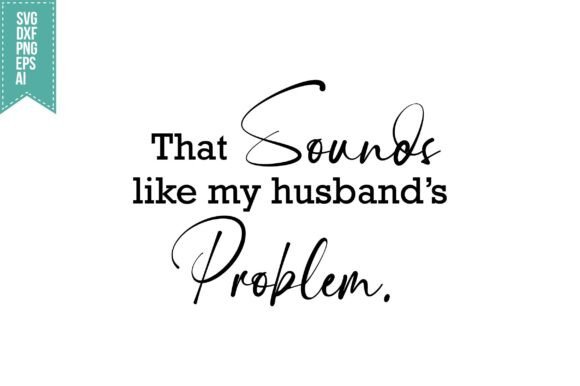
Husband’s Problem SVG: Graphics for Crafts & Creative Brands
First Impression: Playful, Relatable, and Instantly Recognizable
Opening the Husband’s Problem SVG file felt like unboxing a well-curated creative design — clean, intentional, and ready to deploy. The illustration carries a lighthearted, tongue-in-cheek charm that lands perfectly for lifestyle brands, small business owners, and content creators targeting audiences who appreciate wit with warmth. It doesn’t scream “corporate” — and that’s its strength. Instead, it leans into casual authenticity, making it ideal for handmade product launches, seasonal social campaigns, or blog graphics where personality matters more than polish.
Real Campaign Fit: A Social-First Content Kit for Small Business Branding
I recently used Husband’s Problem SVG as the visual anchor for a small-batch candle brand’s “Valentine’s Week” campaign — not for romance, but for *anti-romance* humor (think: “My husband’s problem is he thinks ‘I’ll do it later’ counts as a plan”). We dropped the SVG into Canva templates for Instagram carousels, Pinterest pins, and email banners. Its bold silhouette and clear negative space allowed quick recoloring to match the brand’s terracotta-and-cream palette. Because it’s delivered as an SVG, DXF, and high-res PNG, we scaled it seamlessly from 1200×1200 social headers down to 300×300 sticker mockups — no pixelation, no redraws.
Where This Graphic Design Asset Shines in Branding Workflows
- Social media graphics: Stands out in crowded feeds without competing with text — perfect for Instagram Stories overlays or Facebook ad thumbnails.
- Pinterest pins & editorial design: Its illustrative style adds visual rhythm to blog roundups or gift guides, supporting content marketing without overwhelming readers.
- Printable design & packaging accents: Works beautifully on kraft paper tags, thank-you cards, or backing cards for handmade goods — especially when paired with handwritten fonts or serif body copy.
- Digital product visuals: Used as a decorative element in Canva templates for planners, habit trackers, or lead magnets aimed at female entrepreneurs and online coaches.
- Merchandise & stickers: The clean vector lines translate flawlessly to vinyl cutting (thanks to the DXF) and DTG printing — great for small-run merch bundles.
How It Strengthens Core Marketing Goals
Husband’s Problem SVG supports stronger first impressions by delivering immediate tonal clarity — viewers instantly “get” the vibe. Its simplicity reinforces visual hierarchy, letting headlines or CTAs take center stage. For small business branding, consistency comes naturally: recolor it once, and reuse across platforms without losing recognition. That repetition builds audience trust and memorability — especially when layered into recurring campaign themes (e.g., “Problem Series” stickers for quarterly promotions). And because it feels handmade yet professional, it elevates product presentation without veering into sterile minimalism.
Best Placement Scenarios for Maximum Impact
This graphic design asset works strongest as a hero graphic — think website banner above the fold, launch email header, or cover image for a digital product bundle. It also excels as a branded template accent: tucked into corners of Canva social kits, framing quotes in blog graphics, or anchoring the bottom third of a printable promotion. As a decorative brand element, it adds warmth to packaging inserts, media kit dividers, or even subtle watermarking on freebie PDFs — always reinforcing voice without demanding attention.
Use With Intention: Where to Proceed Thoughtfully
Avoid placing Husband’s Problem SVG in formal corporate branding — it’s not built for law firm websites or B2B SaaS dashboards. Steer clear in dense information layouts (e.g., comparison tables or multi-step infographics), where its personality could distract. On mobile screens under 200px width, test readability — while scalable, fine details may blur. Don’t layer it over low-contrast backgrounds (e.g., light gray on white), and skip it entirely for overly minimal brands that rely on whitespace and restraint. And crucially: never assume automatic commercial license — verify usage rights before deploying in paid ads, client deliverables, or physical product labels.
Brand Designer Notes You’ll Actually Use
- Test it against your full brand color palette — does it sing in your primary hue, or does it need a neutral tone shift?
- Check black-and-white output: will it hold up on monochrome print materials like receipts or basic flyers?
- Drop it into real campaign mockups — website headers, Instagram post grids, email previews — not just isolated artboards.
- Preview on mobile: does the focal point remain legible at thumbnail size?
- Compare it side-by-side with top-performing competitor visuals — does it stand out *for the right reasons*?
- Pair it with your core fonts: does it complement serif elegance, sans-serif clarity, script whimsy, or display-bold energy?
- Review spacing: does it breathe comfortably beside headlines or callouts, or does it crowd the layout?
- Confirm commercial license terms — especially if you’re selling Canva templates, digital products, or branded merchandise.
Final Verdict: A Strategic, Not Just Stylistic, Choice
Husband’s Problem SVG isn’t just clipart — it’s a strategic design asset for creative entrepreneurs who understand that humor, relatability, and visual cohesion drive engagement. It bridges Crafts and Graphics with purpose: supporting handmade authenticity while meeting modern design standards. Whether you’re building a content kit, refreshing social visuals, or designing a limited-edition product label, this SVG delivers flexibility, scalability, and tonal precision — all without sacrificing professionalism. For marketers and brand builders who value both craft and clarity, it’s less of a decoration and more of a communication tool.